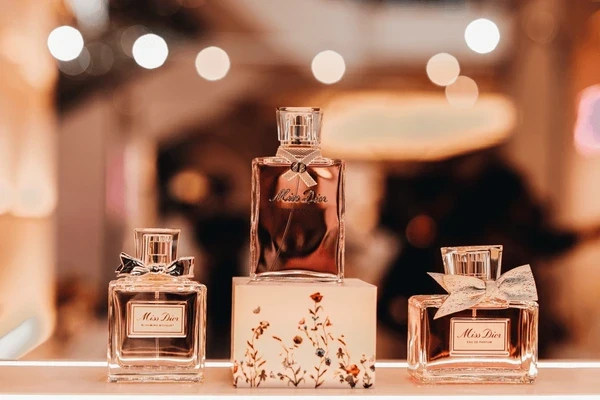
A Shift in the Perfume World
For decades, perfume shelves were dominated by mass-market fragrances—familiar bottles advertised everywhere, worn by millions. But in recent years, something has changed. More people are turning away from mainstream releases and embracing niche perfumes. These unique, often artisanal creations offer individuality in a world where everyone seems to smell the same.
This shift isn’t just about luxury—it’s about identity. In the same way people choose independent fashion labels or local coffee roasters, fragrance lovers are moving toward smaller perfume houses that tell richer stories. With access expanded by a monthly perfume subscription, trying niche scents has never been easier.
What Makes a Perfume “Niche”?
Niche perfumes are typically crafted by smaller houses or independent perfumers. Instead of aiming to please millions, they focus on originality, creativity, and artistic expression.
Key Features of Niche Perfumes
- Unique ingredients – Uncommon notes like oud, saffron, or seaweed.
- Artistic freedom – Perfumes designed for expression rather than mass appeal.
- Limited production – Smaller batches that make each scent feel exclusive.
- Storytelling – Many niche perfumes are tied to specific inspirations, from cities to emotions.
These elements separate niche from mass-market, where commercial success and trend-following often outweigh originality.
Why Mass-Market Scents Are Losing Appeal
Mainstream perfumes have their place—they’re accessible, affordable, and familiar. But they also tend to be predictable. Many follow similar formulas, relying on tried-and-true notes like vanilla, florals, or citrus. While pleasant, this approach leaves little room for individuality.
For consumers who want to stand out, smelling like everyone else is no longer appealing. The rise of social media, with its emphasis on personal branding, has only accelerated the shift toward fragrances that feel distinct.
The Desire for Personal Identity
Perfume is deeply tied to self-expression. Just as people want clothing styles that feel unique, they want fragrances that represent their personality. Niche perfumes answer this demand by offering complex, bold, and sometimes unconventional blends.
For example, while a mass-market scent may aim to be universally liked, a niche fragrance might lean into smoky, earthy, or experimental accords that only appeal to a certain group. For the wearer, that exclusivity feels empowering.
The Role of Discovery
Part of the excitement around niche perfumes is the journey of discovery. Finding a small-batch fragrance that resonates with you feels more personal than picking up a bottle everyone recognizes. It’s about exploration, curiosity, and the joy of wearing something rare.
This is where a monthly perfume subscription comes into play. It allows fragrance lovers to test niche options without committing to expensive full bottles. With new samples arriving regularly, people can expand their horizons and discover scents they’d never encounter in a department store.
The Influence of Culture and Trends
The popularity of niche perfumes is also tied to broader cultural trends. Consumers are moving toward products that emphasize authenticity and craftsmanship. Just as farm-to-table dining values quality and origin, niche perfumery appeals to those who care about artistry over mass production.
Social media has also played a huge role. TikTok, Instagram, and fragrance forums have turned niche perfumes into viral sensations. Influencers showcase unique finds, sparking curiosity and driving demand for scents that feel exclusive.
How Niche Perfumes Shape Memory and Identity
Because niche fragrances often use unusual notes, they tend to leave stronger impressions. Wearing something unfamiliar can make you more memorable, especially in social or professional settings. These scents become part of your identity—an invisible signature that sets you apart.
Many niche perfumes also create deeper emotional connections. They often tell stories that resonate with specific moods, places, or experiences. Wearing one can feel like wearing art, a way to carry emotion with you throughout the day.
Challenges of Niche Perfumery
Of course, niche perfumes aren’t for everyone. Some are expensive, and their boldness can be intimidating. They may not always be crowd-pleasers, which makes them less versatile than mass-market fragrances.
However, for those who value originality and self-expression, these challenges are part of the appeal. A niche perfume isn’t designed to be safe—it’s designed to make a statement.
Building a Niche Perfume Collection
If you’re interested in exploring niche perfumes, start gradually.
- Sample first: Don’t commit to a full bottle until you’ve worn it in different settings.
- Rotate with intention: Use niche scents for moments when you want to stand out.
- Mix with mainstream: Balance niche with familiar perfumes for versatility.
- Stay open-minded: Some of the most memorable fragrances are those you don’t love at first sniff.
Subscriptions and discovery sets are practical ways to begin without overwhelming your budget.
The Future of Perfume
Niche perfumes represent more than just a trend—they’re part of a broader shift toward individuality in consumer culture. As people continue to seek unique experiences and self-expression, niche fragrances will likely grow even more influential.
They remind us that perfume is not just about smelling good; it’s about storytelling, identity, and memory. In a world dominated by mass production, niche perfumes provide the luxury of distinction.